Background
Background
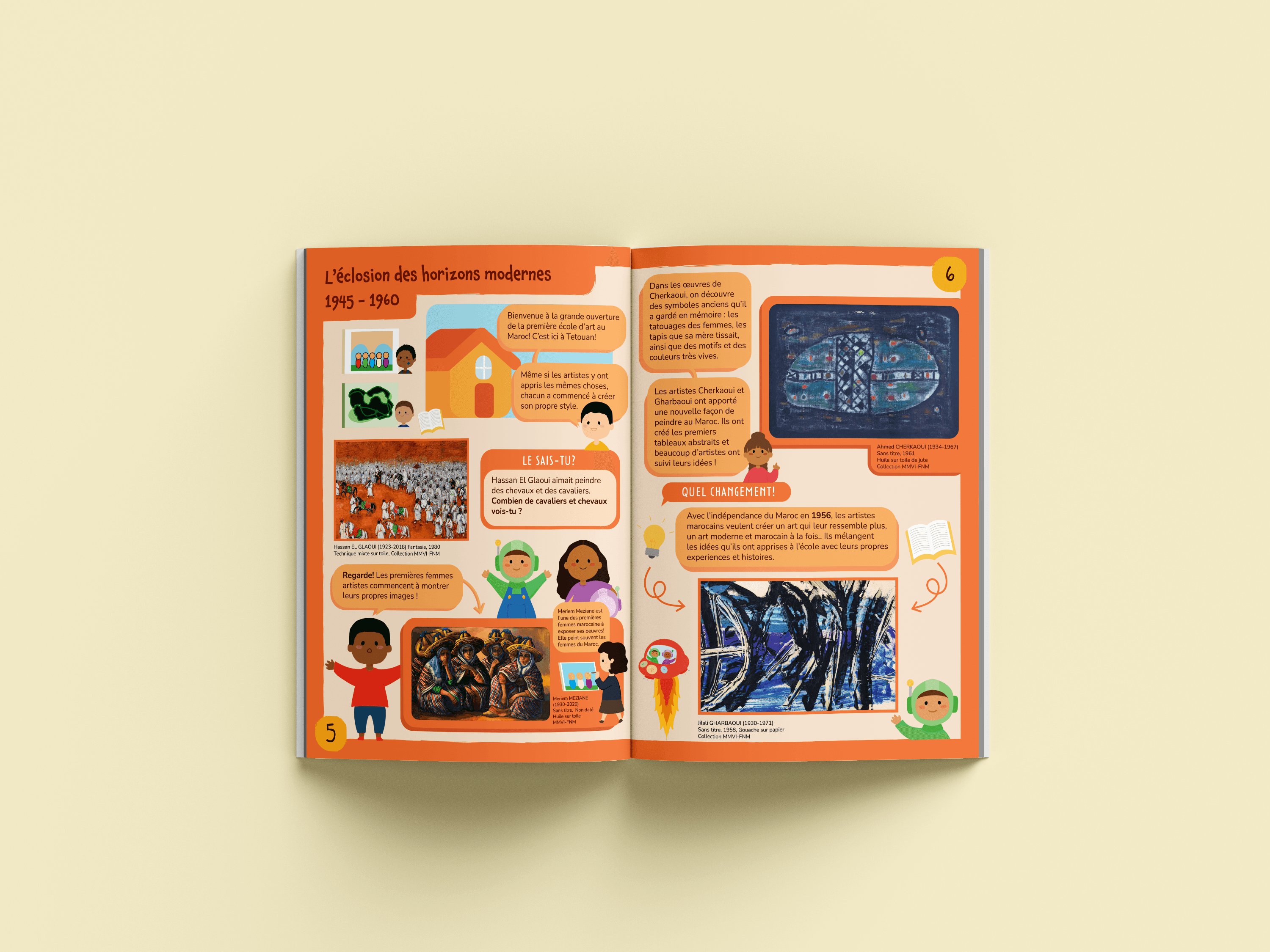
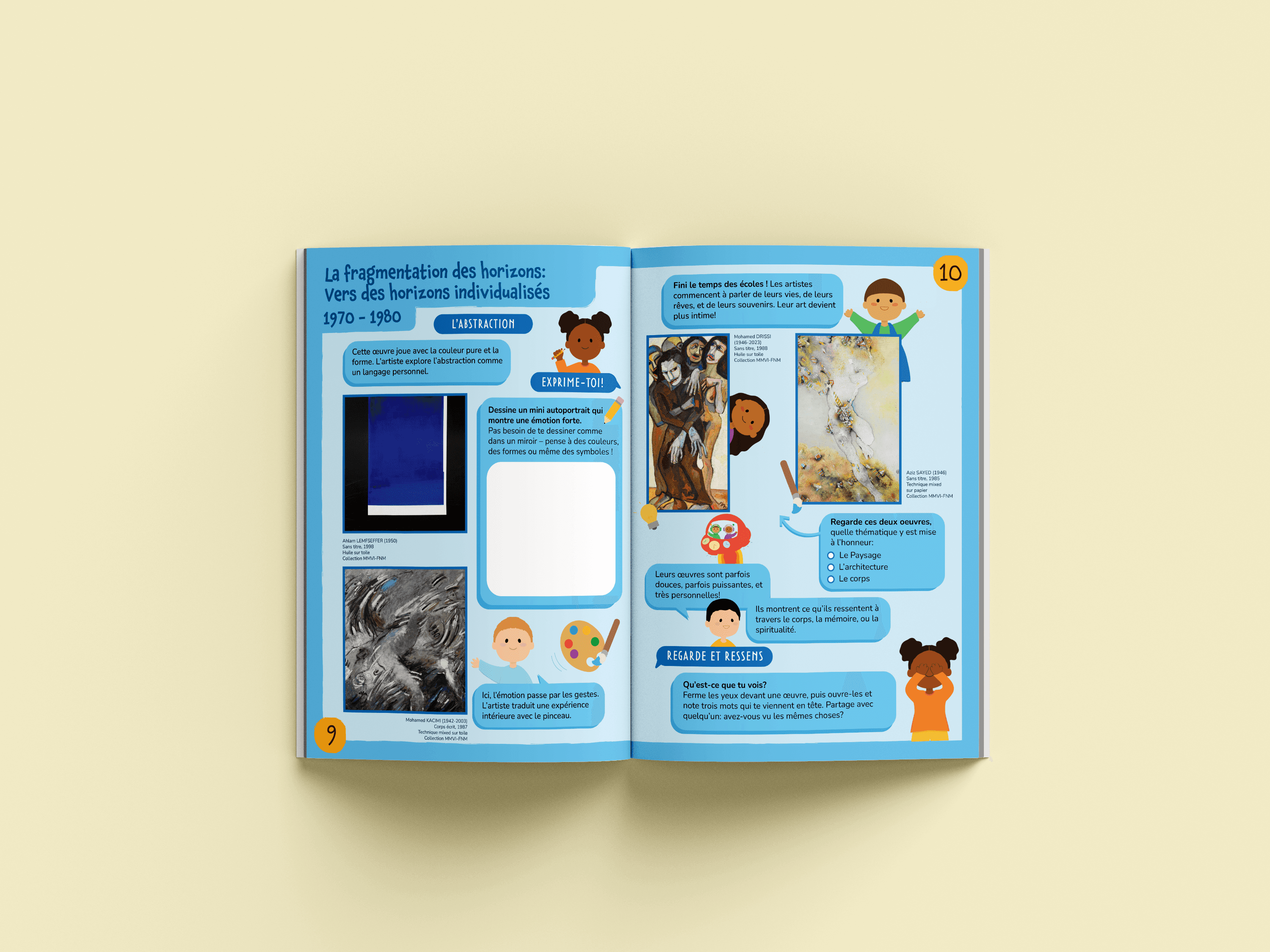
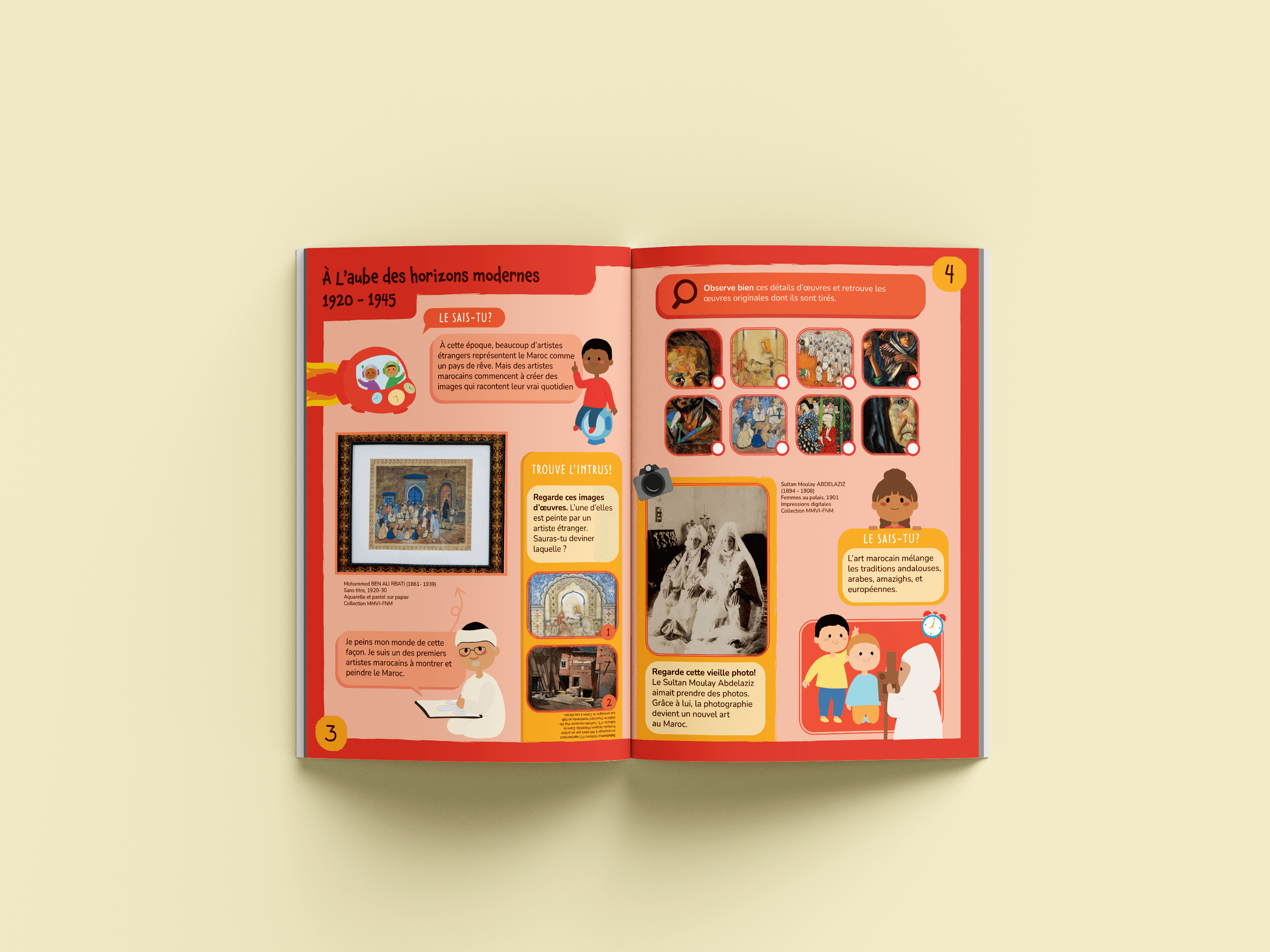
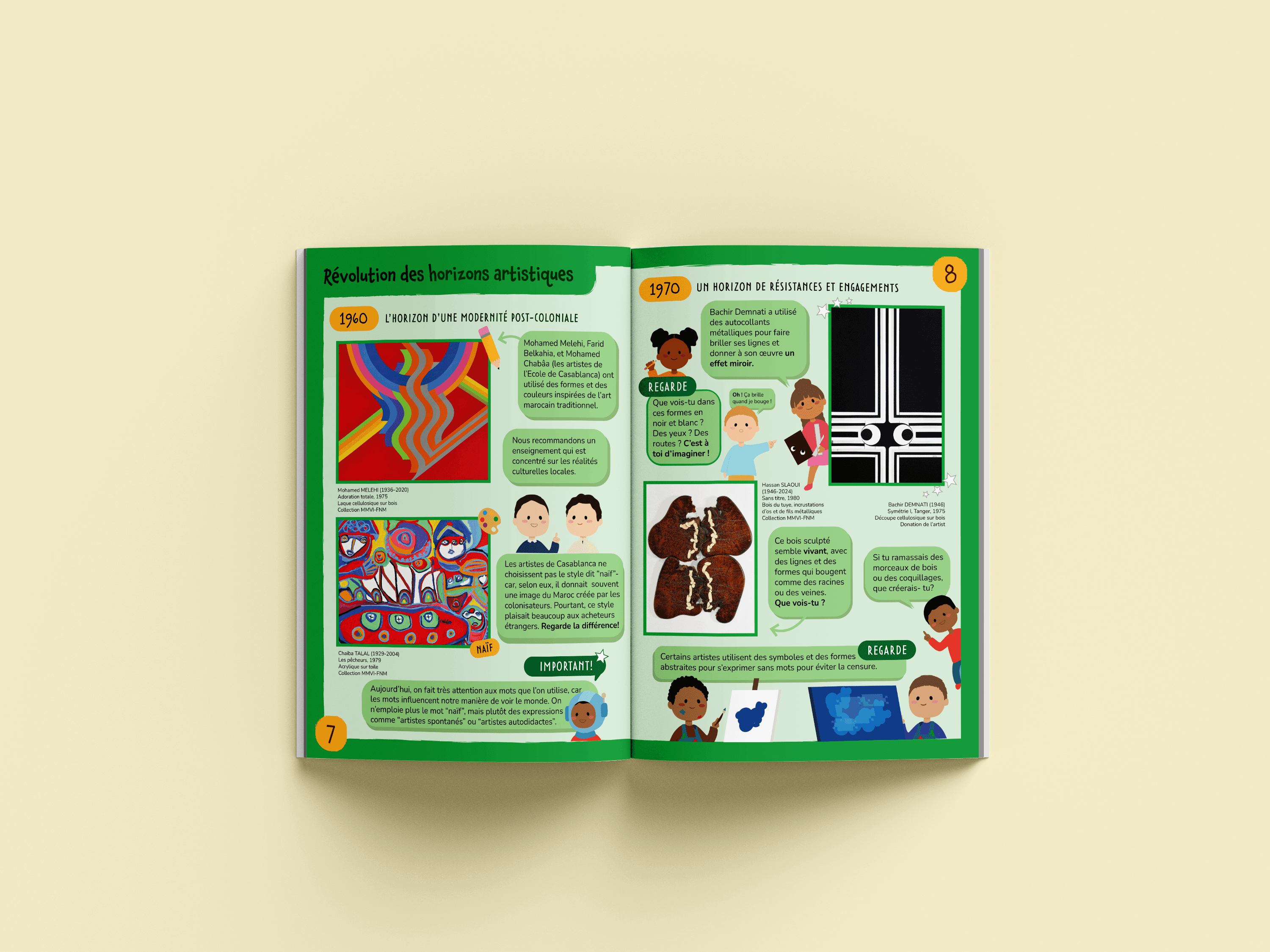
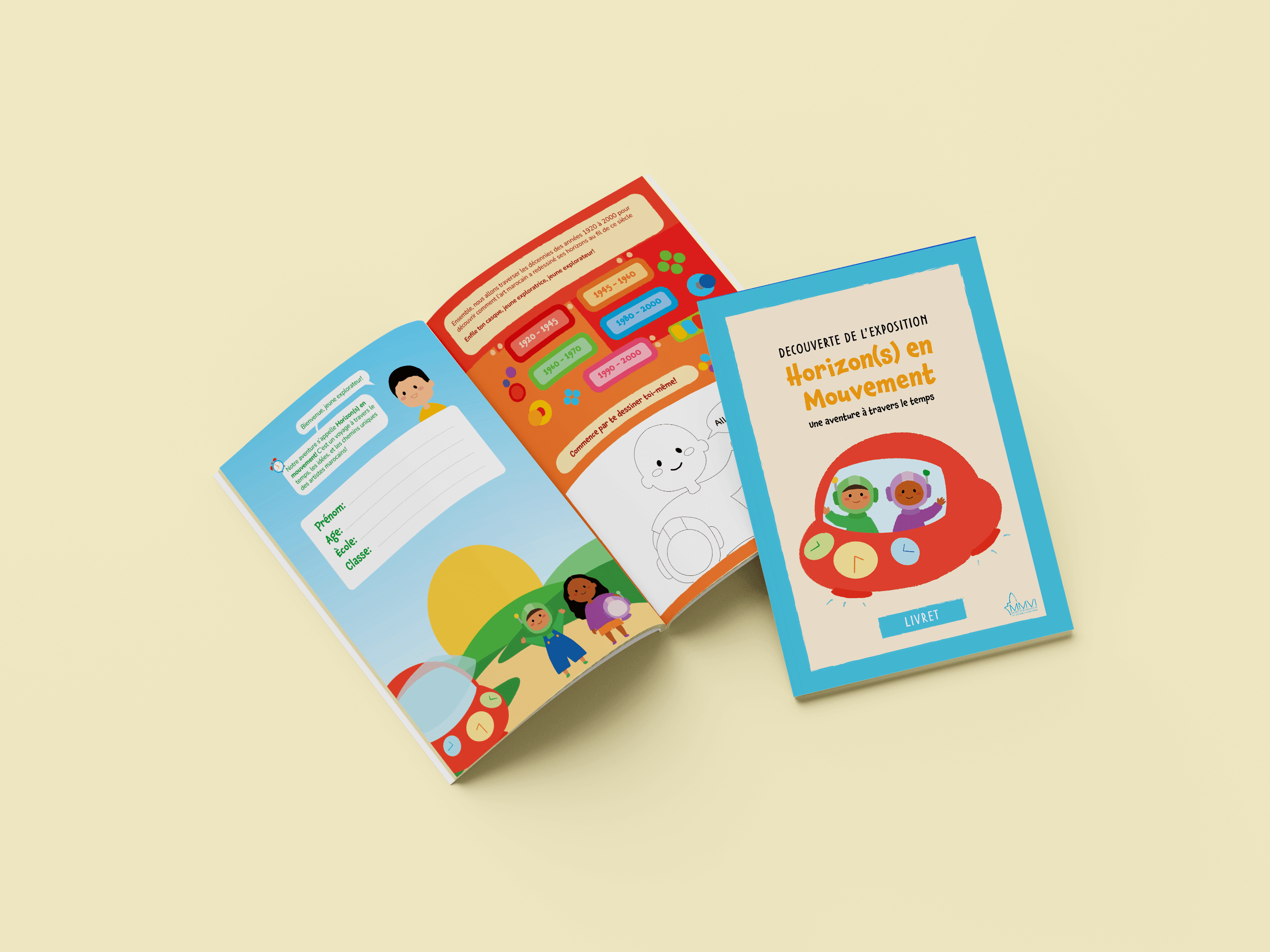
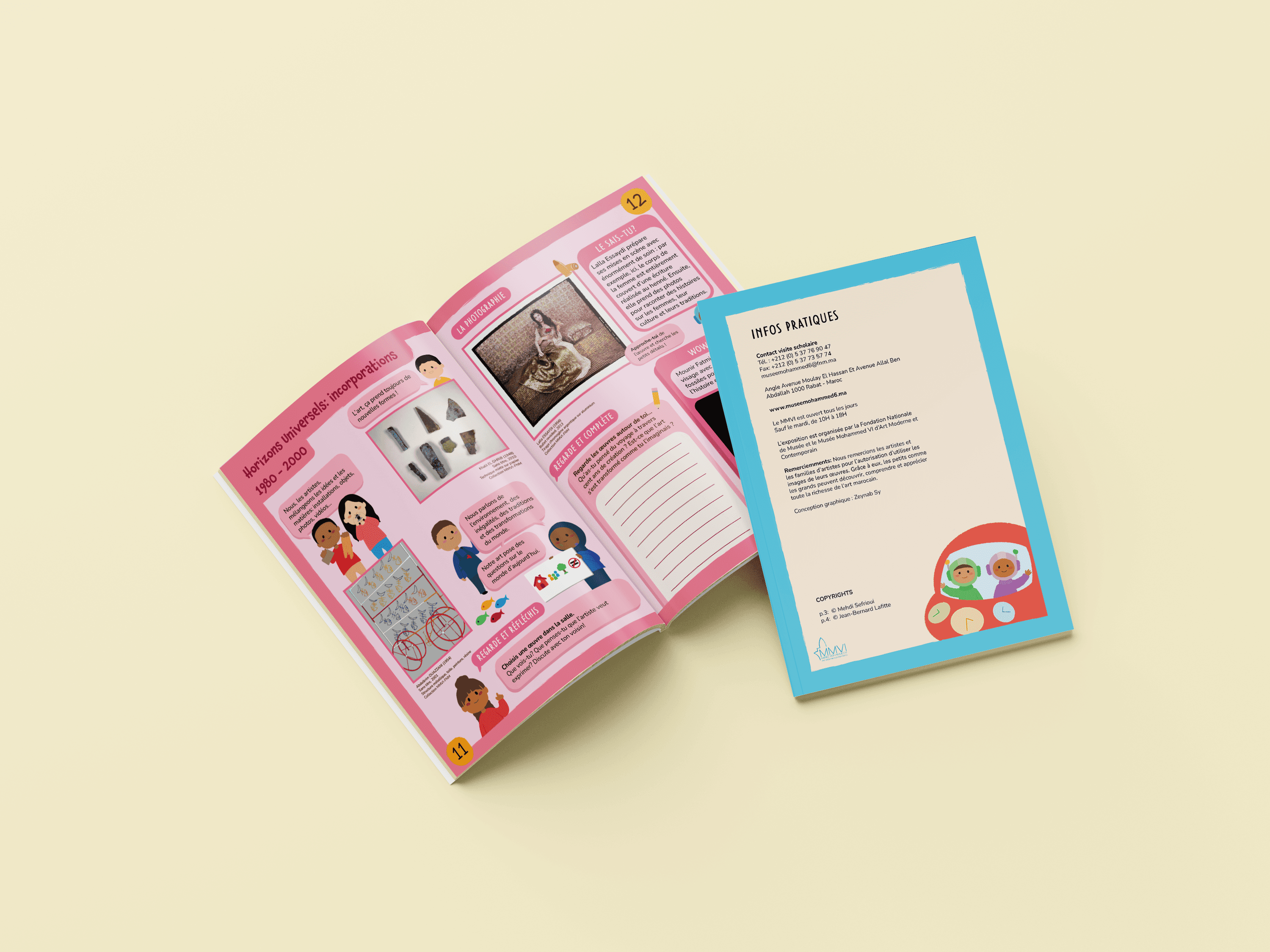
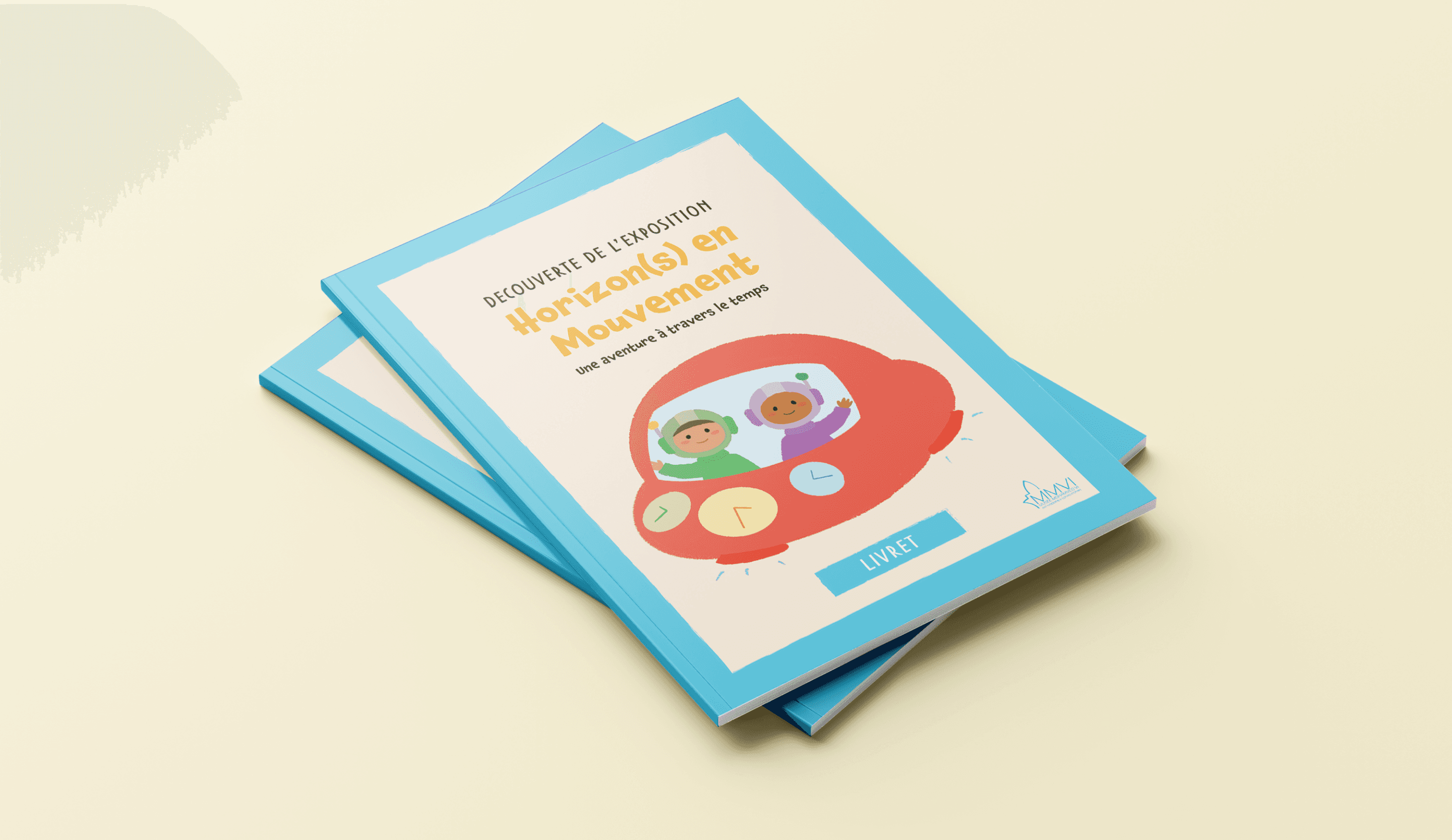
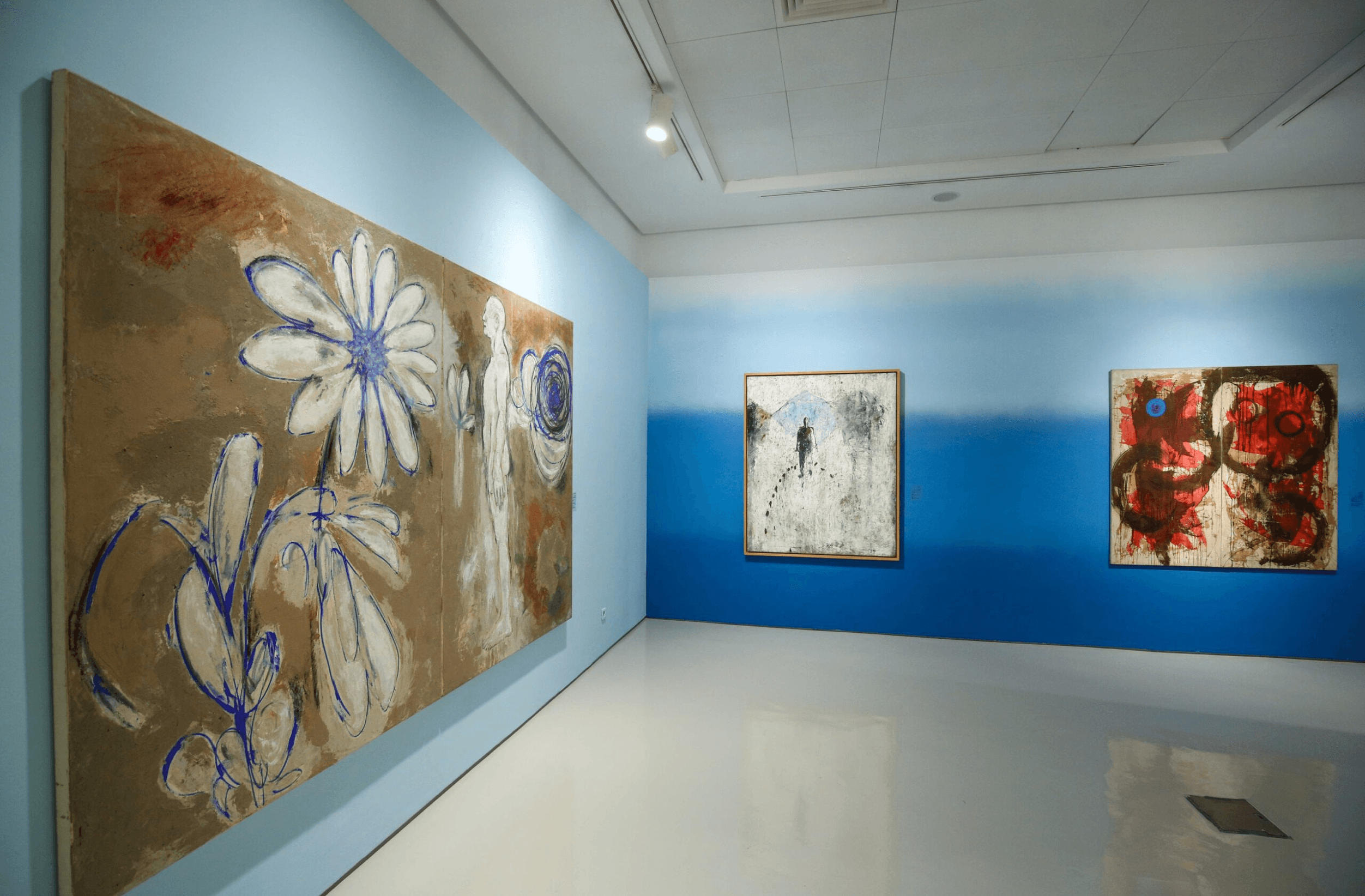
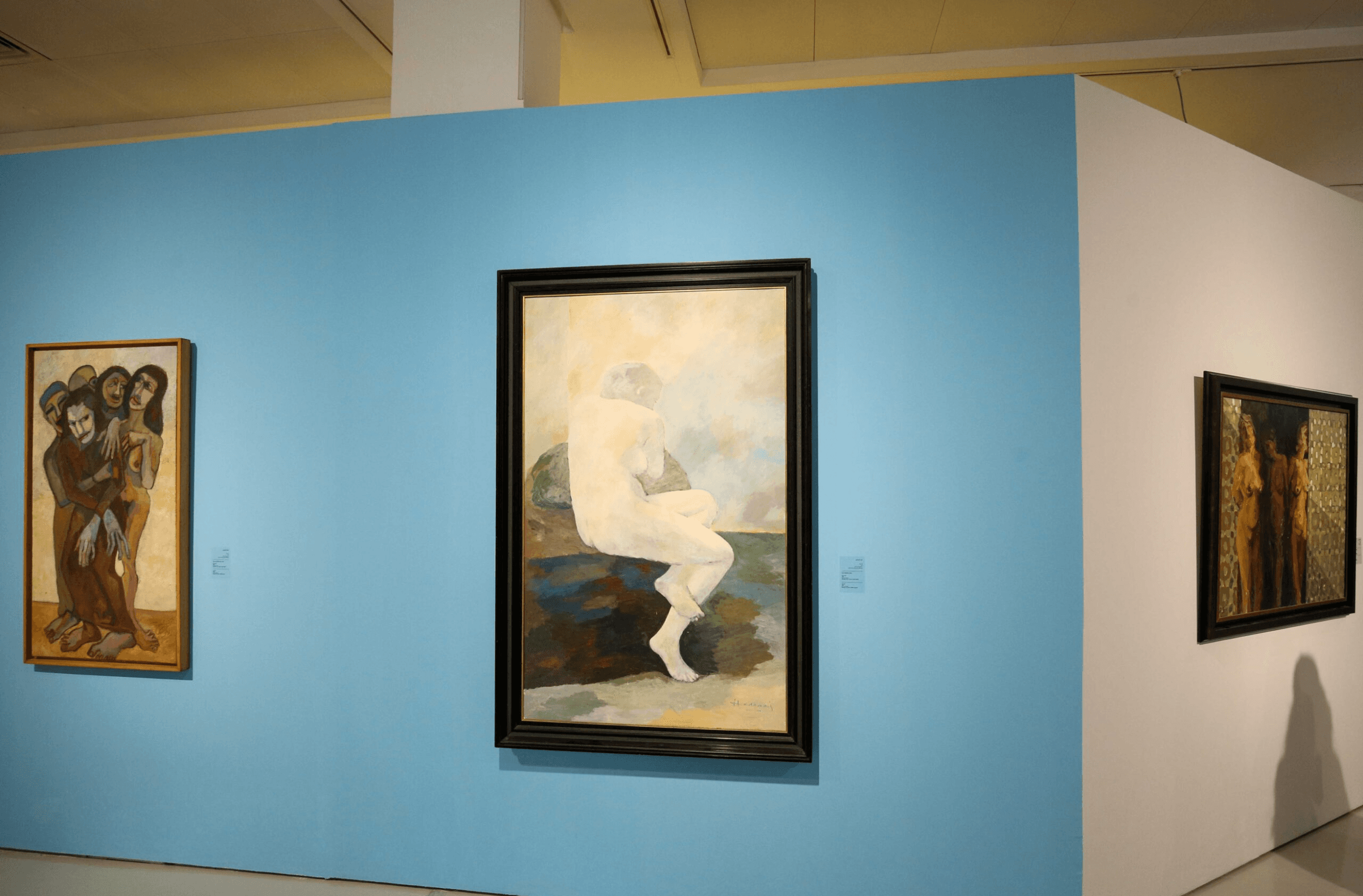
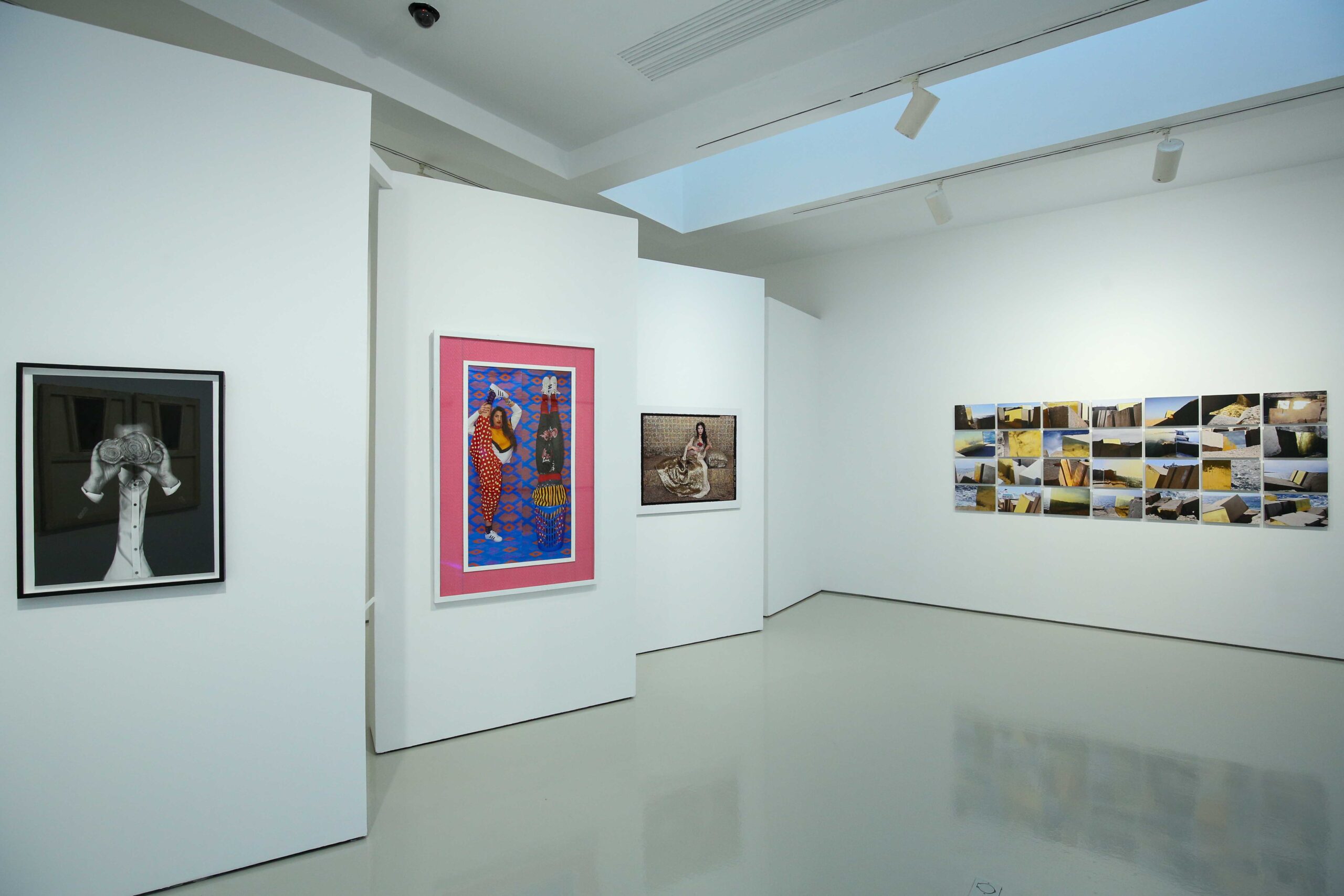
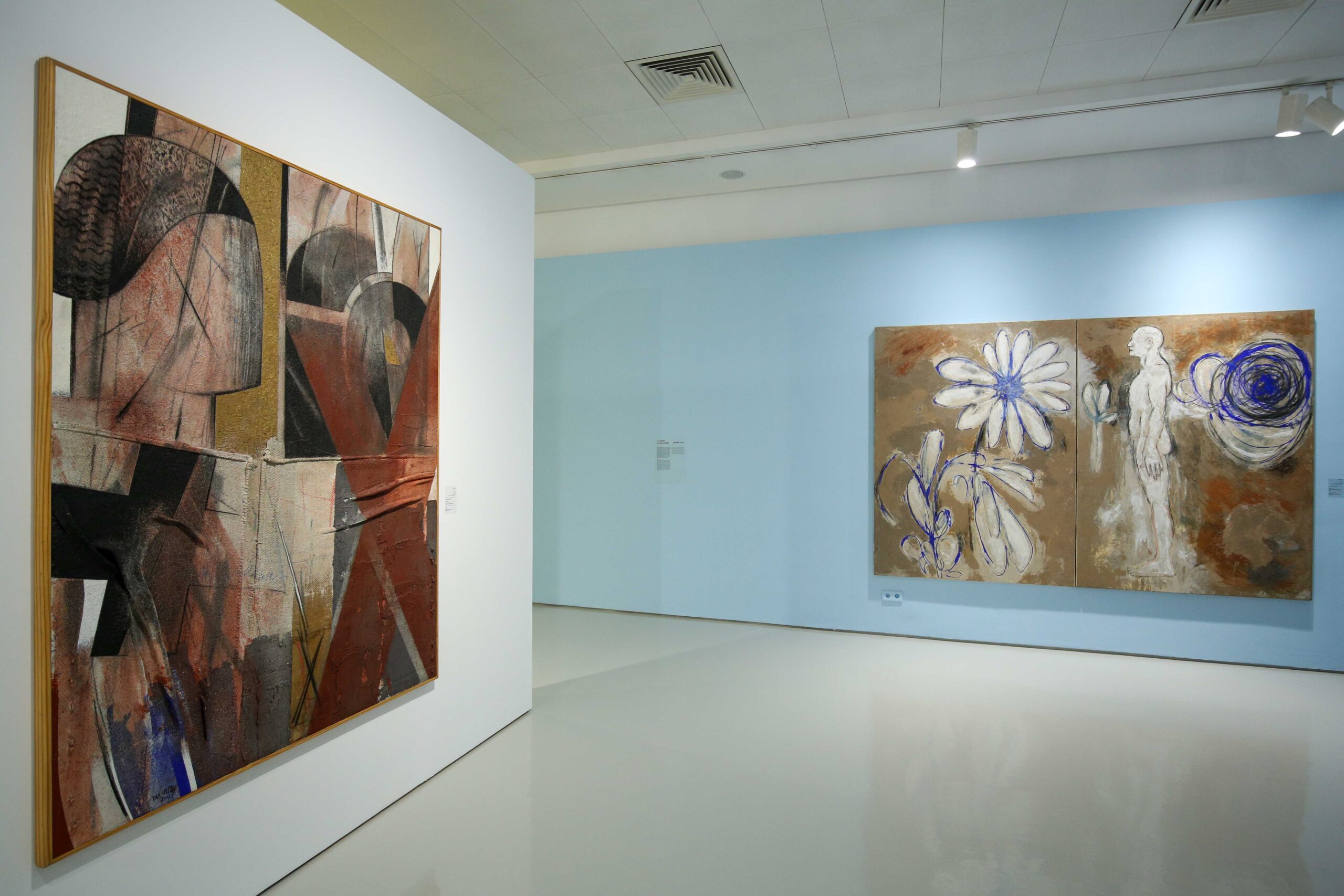
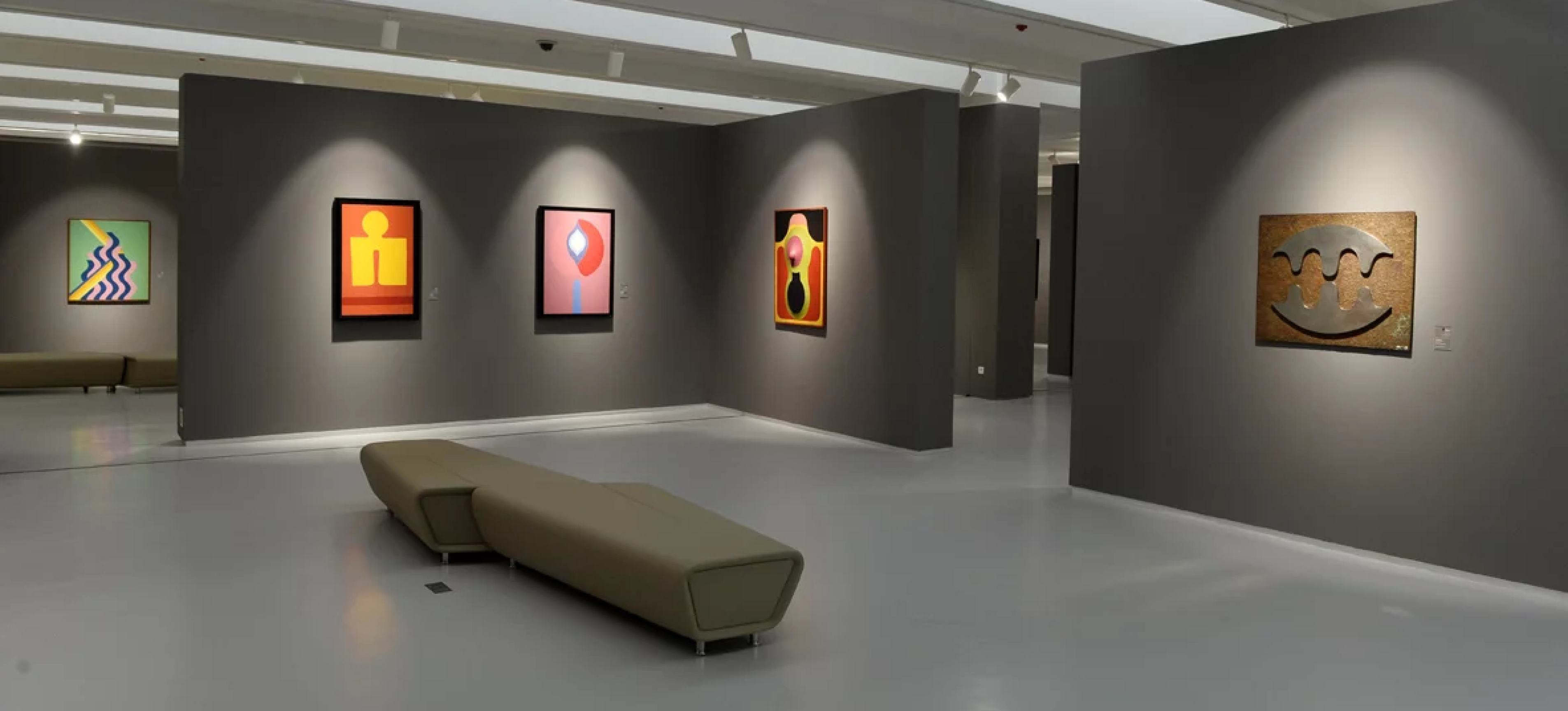
During my internship at the Musée Mohammed VI d'Art Moderne et Contemporain in Rabat, I was tasked with designing an educational pamphlet for children for the exhibition Horizon(s) en Mouvement. The exhibition traced 100 years of Moroccan art history from 1920 to 2020, presenting six thematic periods through distinct visual environments and color schemes.
The pamphlet needed to make complex art history accessible and engaging for young visitors while maintaining the museum's professional standards and visual identity.
During my internship at the Musée Mohammed VI d'Art Moderne et Contemporain in Rabat, I was tasked with designing an educational pamphlet for children for the exhibition Horizon(s) en Mouvement. The exhibition traced 100 years of Moroccan art history from 1920 to 2020, presenting six thematic periods through distinct visual environments and color schemes.
The pamphlet needed to make complex art history accessible and engaging for young visitors while maintaining the museum's professional standards and visual identity.
Understanding Museum Design & Young Audiences
Before beginning the design process, I conducted extensive research to understand how museums communicate with children. I studied pamphlets and catalogues from the museum's past and current exhibitions, analyzing the differences between materials designed for adults versus young audiences.
Key findings:
Children's pamphlets used more engaging visual elements, brighter color palettes, and conversational language
Successful educational materials balanced information with interactive elements like activities and callouts
Design needed to complement the exhibition's six color-themed sections while maintaining its own identity
Understanding Museum Design & Young Audiences
Before beginning the design process, I conducted extensive research to understand how museums communicate with children. I studied pamphlets and catalogues from the museum's past and current exhibitions, analyzing the differences between materials designed for adults versus young audiences.
Key findings:
Children's pamphlets used more engaging visual elements, brighter color palettes, and conversational language
Successful educational materials balanced information with interactive elements like activities and callouts
Design needed to complement the exhibition's six color-themed sections while maintaining its own identity
Understanding Museum Design & Young Audiences
Before beginning the design process, I conducted extensive research to understand how museums communicate with children. I studied pamphlets and catalogues from the museum's past and current exhibitions, analyzing the differences between materials designed for adults versus young audiences.
Key findings:
Children's pamphlets used more engaging visual elements, brighter color palettes, and conversational language
Successful educational materials balanced information with interactive elements like activities and callouts
Design needed to complement the exhibition's six color-themed sections while maintaining its own identity
Exhibition
Exhibition
Character Design
Character Design
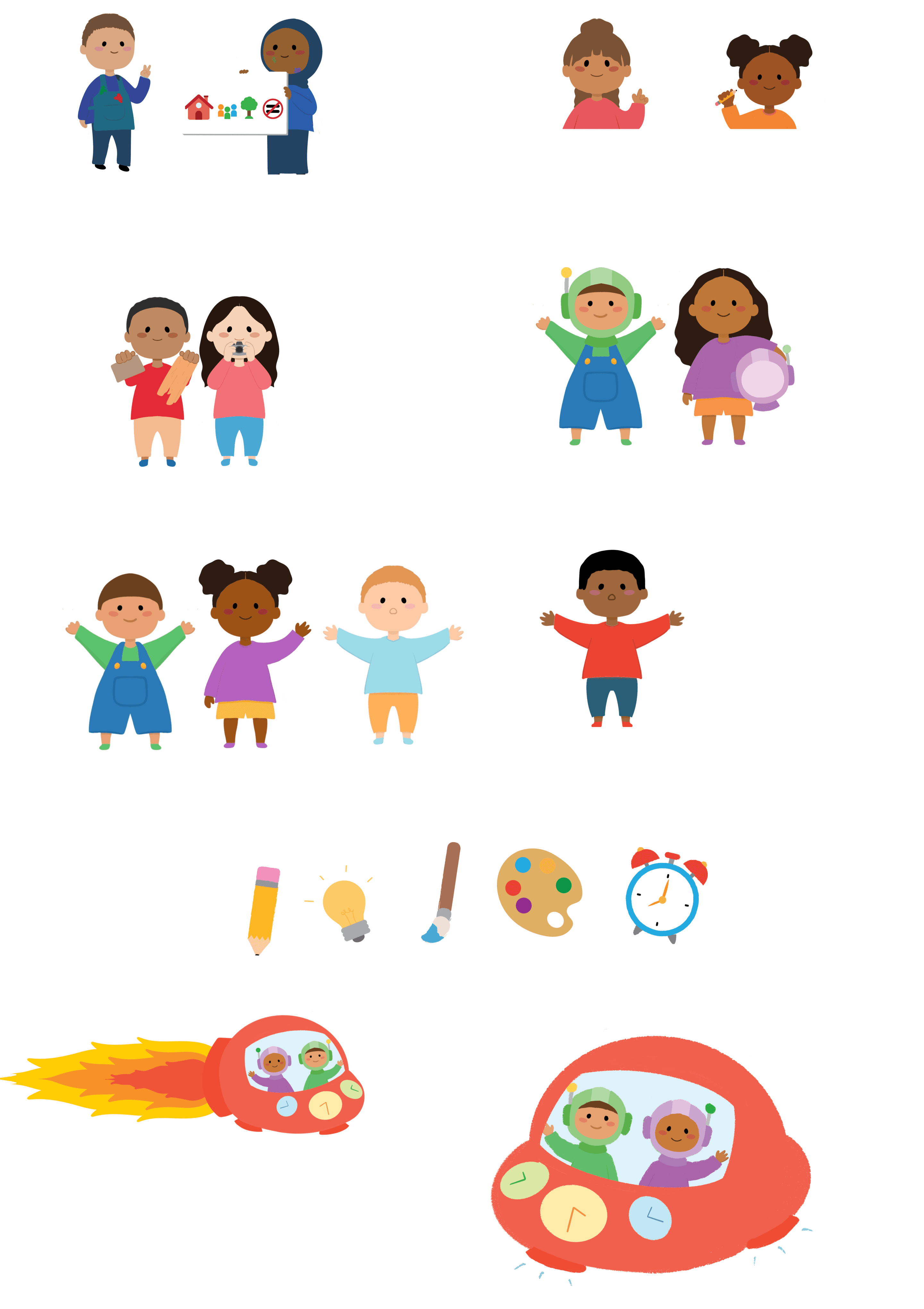
To make the pamphlet more engaging for children, I developed an illustrated character system that could guide young visitors through the exhibition. The characters needed to feel approachable and playful while being sophisticated enough to represent the museum's brand.
To make the pamphlet more engaging for children, I developed an illustrated character system that could guide young visitors through the exhibition. The characters needed to feel approachable and playful while being sophisticated enough to represent the museum's brand.
To make the pamphlet more engaging for children, I developed an illustrated character system that could guide young visitors through the exhibition. The characters needed to feel approachable and playful while being sophisticated enough to represent the museum's brand.